Weight Loss
The Truth About Stubborn Belly Fat: Why It Is the Last to Go (2026)
Belly fat is not just annoying — it is biologically programmed to be the last fat your body burns. Understanding why is the key to finally losing it.
Written bySarah Lee· Nutrition & Weight Loss Writer
Medically reviewed byAndrew Kakan on
Quick Answer: Why Is Belly Fat So Stubborn?
Belly fat is harder to lose because of biology, not because you are doing something wrong. Abdominal fat cells have more alpha-2 adrenergic receptors (which resist fat release) and fewer beta-2 receptors (which promote fat release). They also receive less blood flow, making it harder for fat-mobilizing hormones to reach them.
You cannot spot-reduce belly fat. But you can create conditions that maximize fat mobilization from stubborn areas through sustained calorie deficit, stress management, and strategic exercise.
The Biology of Belly Fat: Alpha vs. Beta Receptors
Fat cells have two types of adrenergic receptors that respond to catecholamines (adrenaline and noradrenaline). Beta-2 receptors promote fat release. Alpha-2 receptors inhibit fat release. The ratio of these receptors varies by body location.
Areas with high beta-2 receptor density (face, arms, upper body) lose fat first. Areas with high alpha-2 receptor density (lower belly, hips, thighs) lose fat last. This is genetically determined and cannot be changed through exercise, diet, or any supplement.
Understanding this biology is liberating. Your belly is not hanging on because you are lazy or doing something wrong. It is hanging on because your body is programmed to mobilize fat from other areas first. The only solution is continued overall fat loss until your body finally taps those stubborn reserves.
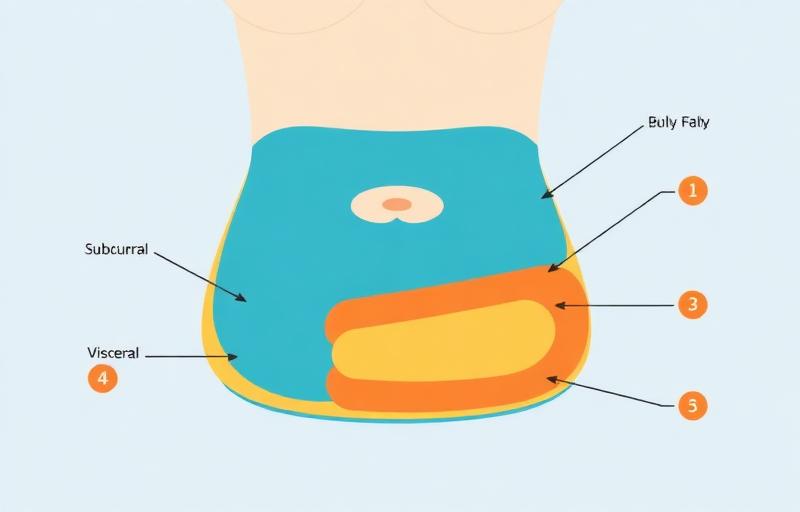
Why Cortisol Makes Belly Fat Worse
Cortisol, the primary stress hormone, has a unique relationship with abdominal fat. Abdominal fat tissue has four times more cortisol receptors than subcutaneous fat elsewhere in the body. When cortisol is chronically elevated, it preferentially directs fat storage to the belly.
Chronic stress, sleep deprivation, excessive exercise, and extreme dieting all elevate cortisol. Ironically, many people respond to belly fat by exercising harder and eating less — which further elevates cortisol and worsens abdominal fat storage.
The solution is counterintuitive: reduce stress, sleep more, train moderately, and eat in a moderate deficit. These approaches lower cortisol while still creating the calorie deficit needed for fat loss.
The Spot Reduction Myth
No exercise can target belly fat specifically. A 2011 study had participants do abdominal exercises 5 days per week for 6 weeks. Despite performing over 2,500 crunches and sit-ups per session, there was no measurable change in abdominal fat. The group that dieted without ab exercises lost more belly fat.
Ab exercises strengthen the muscles underneath belly fat, which improves posture and creates a flatter appearance when the fat is eventually lost. But the fat loss itself comes from a calorie deficit, not from the exercises themselves.
Evidence-Based Strategies for Reducing Belly Fat
While you cannot spot-reduce, certain strategies maximize fat loss from stubborn areas:
- Maintain a moderate calorie deficit (300–500 calories) for long enough — belly fat is the last to go
- Keep cortisol low through stress management, sleep, and moderate exercise
- Prioritize protein to preserve muscle and reduce cortisol from extreme restriction
- Walk 8,000–10,000 steps daily — low-intensity movement mobilizes fat without spiking cortisol
- Reduce alcohol consumption — alcohol increases visceral fat storage specifically
- Manage insulin through moderate carb intake and time-restricted eating
Visceral vs. Subcutaneous Belly Fat
Not all belly fat is the same. Visceral fat surrounds internal organs and is metabolically active — it increases risk of heart disease, type 2 diabetes, and inflammation. Subcutaneous fat sits between the skin and abdominal muscles and is less dangerous but more visible.
The good news: visceral fat responds to calorie restriction faster than subcutaneous fat. Early in your fat loss journey, you may lose significant visceral fat (measurable by waist circumference) before visible subcutaneous fat changes appear.
The Role of Fasting in Belly Fat Reduction
Intermittent fasting may have a slight advantage for belly fat reduction due to its effects on insulin levels and fat mobilization. Lower insulin during fasting windows allows alpha-2 receptor-dominated areas to release fat more effectively.
However, fasting alone without a calorie deficit will not reduce belly fat. The combination of fasting, moderate deficit, and low-cortisol lifestyle appears to be the most effective approach for stubborn abdominal fat.
Timeline Expectations for Belly Fat Loss
Belly fat is typically the last 20% of your fat loss journey. If your goal is significant belly fat reduction, you likely need to reach a body fat percentage of 15–18% for men or 22–25% for women before belly fat becomes visibly lean.
This requires patience and consistency. Most people need 12–20 weeks of sustained deficit eating to reach the point where belly fat starts visibly reducing. The first 8 weeks of a diet primarily reduce fat from easier-to-mobilize areas.
Natural Support for Stubborn Fat Loss
Once fundamentals are solid — consistent deficit, adequate protein, managed stress, good sleep — natural thermogenic supplements can provide a modest additional boost for stubborn fat areas.
Ingredients like green tea catechins and citrus bioflavonoids have been shown to support fat oxidation and may help with fat mobilization in stubborn areas. These are not spot-reduction solutions, but they can support the overall fat-loss process when stacked on top of proper nutrition and exercise.
Alcohol and Belly Fat: A Direct Connection
Alcohol has a unique and particularly damaging relationship with abdominal fat. When you drink alcohol, your liver prioritizes metabolizing it over all other fuels — including fat. This means any food consumed alongside alcohol is more likely to be stored as fat, and that storage preferentially targets the abdominal area.
A 2022 study in Hepatology found that people who consumed more than 7 alcoholic drinks per week had 12% more visceral fat than non-drinkers, even when total calorie intake was controlled. Beer was the worst offender, but all forms of alcohol contributed to abdominal fat accumulation through their effects on liver metabolism and cortisol elevation.
If belly fat reduction is your primary goal, reducing alcohol to 4 or fewer drinks per week — or eliminating it temporarily — is one of the highest-impact changes you can make. Many people report visible abdominal changes within 2–3 weeks of significantly reducing alcohol intake, even without other dietary changes.
Stress Management Techniques for Reducing Belly Fat
Since cortisol drives belly fat storage, stress management is not optional — it is a direct intervention for abdominal fat reduction. The following techniques have clinical evidence for lowering cortisol levels and supporting belly fat loss.
Mindfulness meditation for 10–15 minutes daily reduces cortisol by 25% after 8 weeks of practice according to a study in Health Psychology. Walking in nature for 20 minutes reduces cortisol more effectively than walking in urban environments. Deep breathing exercises (4 seconds in, 4 seconds hold, 4 seconds out) activate the parasympathetic nervous system and can lower cortisol within minutes.
Progressive muscle relaxation before bed not only reduces cortisol but improves sleep quality — creating a double benefit for belly fat reduction. Journaling for 10 minutes before bed has also been shown to reduce stress hormones and improve sleep onset time.
Gender Differences in Belly Fat Distribution
Men and women store and lose belly fat differently due to hormonal influences. Men tend to accumulate more visceral fat (surrounding organs), while women tend to accumulate more subcutaneous fat (under the skin). This means men often see faster initial improvements in waist circumference because visceral fat responds to calorie restriction more readily than subcutaneous fat.
After menopause, women's fat distribution shifts to resemble the male pattern, with increased visceral fat storage in the abdominal area. This is driven by declining estrogen, which normally directs fat storage to the hips and thighs. Post-menopausal women benefit particularly from strength training and moderate calorie restriction to manage this hormonal shift in fat distribution.
Key Takeaways
- Belly fat is biologically programmed to be lost last — this is genetics, not failure
- Spot reduction is a proven myth — overall fat loss is the only approach
- Cortisol management is critical for reducing abdominal fat storage
- Moderate deficits with high protein and walking produce the best belly fat results
- Patience is essential — expect 12–20 weeks for visible belly fat reduction
- Visceral fat responds to dieting faster than subcutaneous belly fat
- Stress management and sleep are as important as diet for belly fat
Measuring Progress: Beyond the Scale for Belly Fat
Since belly fat is the last to go, the scale is a particularly poor measure of progress for people focused on abdominal fat reduction. You may lose significant fat from your face, arms, and legs while your belly measurements barely change — this is completely normal and does not mean your diet is failing.
Waist circumference is the single best metric for tracking belly fat. Measure at the level of your navel, first thing in the morning before eating, using the same tape measure each time. A decrease of even half an inch represents meaningful visceral fat loss. Track monthly rather than weekly to avoid noise from bloating, water retention, and digestive contents.
The waist-to-hip ratio provides additional context. Divide your waist circumference by your hip circumference. For men, a ratio below 0.90 indicates healthy abdominal fat levels. For women, below 0.85. Tracking this ratio over time gives you a reliable indicator of visceral fat changes even when total body weight remains stable.
Frequently asked questions
- Why is belly fat so hard to lose?
- Belly fat (visceral and subcutaneous abdominal fat) has a higher density of alpha-2 adrenergic receptors, which resist fat mobilization. It also receives less blood flow than other fat deposits, making it harder for fat-burning hormones to reach these cells.
- Can you target belly fat with exercises?
- No. Spot reduction is a myth. Crunches and ab exercises strengthen abdominal muscles but do not preferentially burn belly fat. Overall fat loss through a calorie deficit is the only way to reduce belly fat. However, some strategies can improve fat mobilization from stubborn areas.
- What foods help reduce belly fat?
- No specific food targets belly fat. However, high-protein diets, fiber-rich foods, and anti-inflammatory foods support overall fat loss and may reduce cortisol-driven belly fat storage. Reducing alcohol and refined sugar has the most impact on abdominal fat specifically.
- Does cortisol cause belly fat?
- Yes. Chronic elevated cortisol promotes fat storage specifically in the abdominal area. Stress management, adequate sleep, and avoiding overtraining are critical for reducing cortisol-driven belly fat accumulation.
- How long does it take to lose belly fat?
- Belly fat is typically the last area to lean out. Depending on your starting point, expect 8–16 weeks of consistent deficit eating before significant abdominal fat reduction is visible. Patience is essential — your body loses fat in a genetically predetermined order.