Weight Loss
10 Science-Backed Ways to Lose Weight Fast (2026)
Forget fad diets and Instagram advice. These 10 weight loss methods are backed by peer-reviewed research and proven in clinical trials. Each one has measurable, reproducible results.
Written bySarah Lee· Nutrition & Weight Loss Writer
Medically reviewed byAndrew Kakan on
Why Most Weight Loss Advice Is Not Science-Backed
The weight loss industry is flooded with claims that have zero scientific support. Detox teas, waist trainers, spot reduction exercises, and alkaline diets are all examples of popular approaches that have been thoroughly debunked in clinical research. Yet they generate billions in revenue because they promise what people want to hear.
The methods in this article are different. Every single one has been tested in randomized controlled trials — the gold standard of scientific evidence. These are not theoretical approaches or influencer opinions. They are strategies with measurable, reproducible outcomes across diverse populations.
The practical benefit of using evidence-based methods is predictability. When you follow approaches that are clinically proven, you can reasonably expect the same results that study participants achieved. No guessing, no hoping, no wasted months on methods that never had a chance of working.

10 Scientifically Proven Weight Loss Methods
1. Calorie Deficit Through Any Sustainable Method
Every clinical trial comparing diet types — low carb vs low fat, keto vs Mediterranean, vegan vs omnivore — reaches the same conclusion: when calories are equated, fat loss is virtually identical. A 2024 meta-analysis of 121 diet trials confirmed this definitively. The method does not matter. The deficit does. Choose whatever approach makes it easiest for you to eat fewer calories consistently.
2. High Protein Intake (0.7-1g Per Pound of Body Weight)
Protein is the most important macronutrient for weight loss. A systematic review of 87 studies found that higher protein diets produce 1.2 kg more fat loss and 0.7 kg more muscle retention compared to standard protein diets over 12 weeks. Protein increases satiety (you eat less naturally), has the highest thermic effect (burns 20-30% of calories during digestion), and prevents muscle loss during caloric restriction.
3. Resistance Training (Strength Training)
A 2023 systematic review found that adding resistance training to a calorie deficit preserved 93% of muscle mass compared to diet alone (which preserved only 75%). Muscle is metabolically active tissue — each pound burns 6-7 calories daily at rest. Preserving muscle during weight loss prevents the metabolic slowdown that causes weight regain. Train 2-4 times per week with compound movements.
4. Intermittent Fasting
A 2024 review of 27 clinical trials found that intermittent fasting produces 3-8% body weight reduction over 8-12 weeks. The 16:8 method is the most studied and shows the highest adherence rates. IF does not produce faster weight loss than continuous calorie restriction when calories are matched, but participants find it significantly easier to sustain. Its advantage is simplicity — one rule (when to eat) vs tracking everything you eat.
5. Increased Daily Walking (8,000-10,000 Steps)
A landmark study published in JAMA found that participants who walked 8,000 or more steps daily had a 51% lower risk of all-cause mortality. For weight loss specifically, walking 10,000 steps burns approximately 300-500 extra calories depending on body weight and terrain. Unlike intense exercise, walking does not significantly increase hunger, making it the most efficient form of additional calorie burn for dieters.
6. Sleep Optimization (7-9 Hours)
The University of Chicago study comparing 8.5 vs 5.5 hours of sleep during calorie restriction found a 55% reduction in fat loss among the sleep-deprived group. They lost more muscle and experienced significantly higher hunger levels. Sleep is when your body produces growth hormone (fat burning and muscle repair), regulates hunger hormones, and recovers from exercise. Fixing sleep may be the highest-ROI change for weight loss.
7. Fiber Intake (25-35g Per Day)
A study in the Annals of Internal Medicine found that simply increasing fiber intake to 30g per day produced significant weight loss — nearly as much as a complex diet plan. Fiber slows digestion, increases satiety, feeds beneficial gut bacteria, and reduces calorie absorption from other foods. Eat vegetables, legumes, berries, and whole grains at every meal.
8. Reducing Ultra-Processed Foods
A landmark NIH study gave participants unlimited access to either ultra-processed or unprocessed meals matched for calories, macros, and fiber. The ultra-processed group ate 500 more calories per day and gained weight, while the unprocessed group lost weight. Processed foods override satiety signals and drive overeating independent of willpower. Eating mostly whole foods naturally reduces calorie intake.
9. Mindful Eating and Portion Awareness
Research shows that most people underestimate their calorie intake by 30-50%. Simply paying attention to what and how much you eat — through food tracking, measuring portions, or mindful eating practices — naturally reduces intake. A review of 19 studies found that mindfulness-based interventions reduced binge eating by 68% and emotional eating by 74%.
10. Strategic Supplementation
While most supplements are overhyped, a few have genuine clinical evidence. Caffeine increases metabolic rate by 3-11% and fat oxidation by up to 29%. Green tea extract (EGCG) increases daily calorie burn by approximately 80 calories. Fiber supplements improve satiety. Natural metabolism boosters combining thermogenic compounds can support fat oxidation during calorie restriction. None replace a calorie deficit, but they can augment your efforts meaningfully.
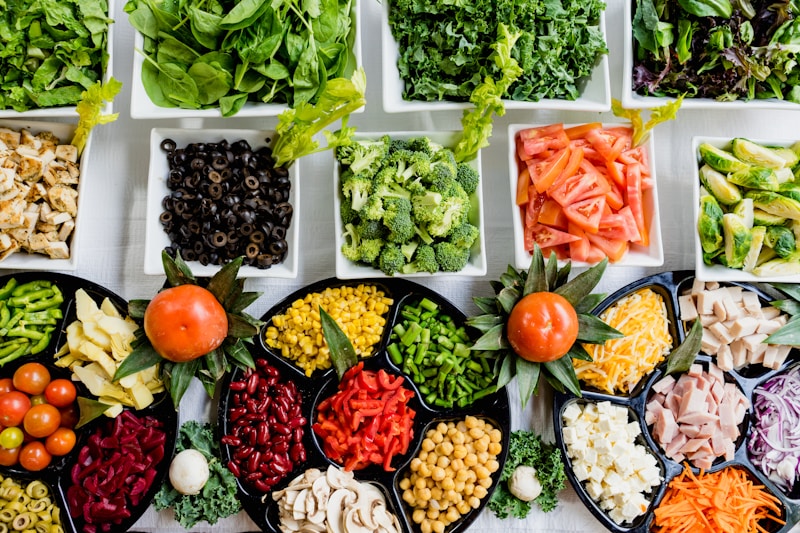
Science-Backed Methods: Quick Comparison
| Method | Evidence Level | Expected Results | Difficulty | Best Combined With |
|---|---|---|---|---|
| Calorie Deficit | Very Strong (121+ trials) | 1-2 lbs/week | Moderate | High protein + training |
| High Protein | Very Strong (87+ studies) | +1.2kg fat loss over 12 weeks | Easy | Resistance training |
| Resistance Training | Strong | 93% muscle preservation | Moderate | High protein + deficit |
| Intermittent Fasting | Strong (27 trials) | 3-8% body weight loss | Easy | High protein |
| Walking 10K Steps | Strong | 300-500 cal/day burn | Easy | Calorie deficit |
| Sleep Optimization | Strong | 55% more fat lost | Easy | Everything |
| Fiber (30g/day) | Moderate | Significant weight loss | Easy | Whole foods |
| Reduce Processed Food | Strong (NIH study) | 500 cal/day less intake | Moderate | Meal prep |
Mistakes to Avoid When Applying Science-Based Methods
- Cherry-picking one method and ignoring the others — these work synergistically; combining 3-4 methods produces dramatically better results than any single approach
- Pursuing perfection on day one — implement one change per week for sustainable habit building
- Ignoring adherence — the best method is useless if you cannot stick to it; choose approaches that fit your life
- Trusting anecdotes over data — 'my friend lost 30 pounds on keto' means nothing without context; follow the evidence
- Expecting linear results — weight loss stalls, plateaus, and fluctuations are normal; trust the process over 8-12 weeks
- Over-relying on supplements — supplements are the last 5% of the equation; get the fundamentals right first
Pro Tips: Maximizing Science-Based Weight Loss
- Stack methods strategically — calorie deficit + high protein + resistance training + walking is the most evidence-supported combination
- Track for precision, not obsession — use a food app for 2-4 weeks to calibrate your portion awareness, then transition to intuitive eating
- Periodize your approach — 12 weeks of deficit, 2 weeks at maintenance, repeat; this prevents metabolic adaptation
- Prioritize the high-ROI changes — sleep, protein, and walking produce the largest return for the least effort
- Build your environment — stock your kitchen with whole foods, remove trigger foods, prep meals in advance
- Use natural metabolism support — evidence-based supplements can provide a meaningful boost when fundamentals are in place
Key Takeaways
- All 10 methods in this guide are backed by randomized controlled trials — the gold standard of evidence
- Calorie deficit is the foundation — no method works without it
- High protein + resistance training prevents muscle loss and metabolic slowdown — the two factors that cause weight regain
- Sleep optimization alone can improve fat loss by 55% — it is the most underutilized strategy
- Walking 8,000-10,000 steps daily burns 300-500 extra calories without increasing hunger
- Reducing ultra-processed food naturally reduces calorie intake by ~500 calories per day
- The best approach combines 3-4 evidence-based methods simultaneously for synergistic results
- Supplements are the final 5% — get sleep, protein, training, and walking right first
Frequently asked questions
- What is the number one scientifically proven way to lose weight?
- A sustained calorie deficit through any method is the number one proven approach. When combined with high protein intake (0.7-1g/lb body weight), it produces the best body composition outcomes in every clinical trial comparing diet approaches.
- Do fat burning supplements work?
- Most do not. The few with clinical evidence include caffeine (3-11% metabolic boost), green tea extract (10-17% increased fat oxidation), and natural metabolism supporters with proven thermogenic ingredients. No supplement replaces a calorie deficit.
- Is intermittent fasting scientifically proven?
- Yes. Multiple randomized controlled trials show intermittent fasting produces comparable weight loss to continuous calorie restriction. It works primarily by making it easier to maintain a calorie deficit. Additional benefits include improved insulin sensitivity and cellular repair.
- How much exercise do I need to lose weight?
- Exercise alone is a slow weight loss method. However, 150 minutes of moderate activity plus 2-3 resistance training sessions per week significantly improves fat loss when combined with dietary changes. Walking 8,000-10,000 steps daily adds 200-400 calories of burn.
- What is the fastest scientifically proven weight loss method?
- A Protein-Sparing Modified Fast (PSMF) produces the fastest evidence-based results — 3-4 lbs per week — by maintaining very high protein with minimal calories. It should only be used for 2-4 week blocks and is best with professional guidance.