Intermittent Fasting
Intermittent Fasting for Women: The Complete Evidence-Based Guide (2026)
Women respond differently to fasting than men due to hormonal differences. This guide covers what works, what does not, and how to modify IF for female physiology.
Written bySarah Lee· Nutrition & Weight Loss Writer
Medically reviewed byAndrew Kakan on
Quick Answer: Should Women Fast Differently Than Men?
Yes. Women's reproductive hormones are more sensitive to caloric restriction and fasting stress. While IF is safe and effective for most women, the optimal approach is usually gentler — 14:10 or modified 16:8 rather than 18:6 or OMAD. Menstrual regularity is the best indicator that your fasting protocol is not too aggressive.
This guide covers the science behind sex-based differences in fasting response and provides modified protocols designed specifically for female physiology.
Why Women Respond Differently to Fasting
The female reproductive system is highly sensitive to energy availability. When the brain detects insufficient energy intake, it can downregulate gonadotropin-releasing hormone (GnRH), which cascades into reduced FSH, LH, estrogen, and progesterone. This is an evolutionary survival mechanism: when food is scarce, the body prioritizes survival over reproduction.
This does not mean women cannot fast. It means women should approach fasting with more nuance. A moderate 16:8 protocol with adequate calories during the eating window is well-tolerated by most women. Problems tend to arise with aggressive protocols (18:6+), very low calorie intake, or the combination of fasting with intense exercise.
Men are less susceptible to this hormonal cascade because testosterone production is more resilient to short-term energy restriction. This is why most IF research — which has been predominantly conducted on men — does not always translate directly to women.
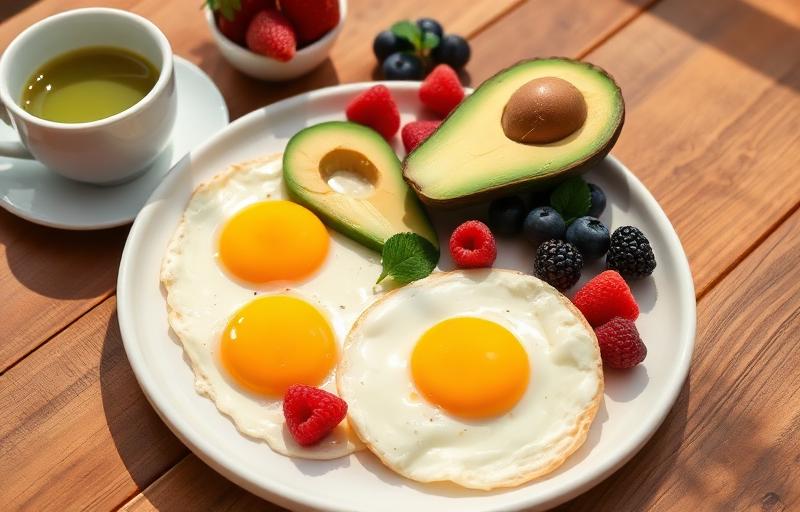
The Best IF Protocols for Women
| Protocol | Description | Suitability for Women |
|---|---|---|
| 14:10 | 14h fast, 10h eat | Excellent — gentle, sustainable, effective |
| 16:8 (gentle) | 16h fast, 8h eat | Good — most women tolerate this well |
| Crescendo fasting | 16:8 on 3–4 days/week | Excellent — reduces hormonal stress |
| 5:2 | Normal eating 5 days, 500 cal 2 days | Good — provides flexibility |
| 18:6 or OMAD | 18–23h fasting | Caution — may disrupt hormones for many women |
Fasting Across the Menstrual Cycle
Women's energy needs and hormonal sensitivity change throughout the menstrual cycle. Understanding these changes allows you to adjust your fasting protocol for maximum comfort and effectiveness.
During the follicular phase (days 1–14, from period start to ovulation), estrogen rises and insulin sensitivity improves. This is typically the easiest time to fast. Many women find that their 16:8 protocol feels effortless during this phase.
During the luteal phase (days 15–28, from ovulation to next period), progesterone rises and the body naturally seeks more calories to support a potential pregnancy. Hunger increases, cravings are stronger, and fasting can feel significantly harder. This is a good time to shorten your fasting window to 14:10 or take a break from IF entirely.
If you track your cycle, you can plan fasting intensity around these phases. This is not weakness — it is working with your biology instead of against it.
Warning Signs: When to Reduce Fasting Intensity
If you experience any of these symptoms, your fasting protocol may be too aggressive for your current physiology:
- Missed or irregular periods (amenorrhea) — the most important warning sign
- Significant hair loss beyond normal shedding
- Chronic fatigue that does not improve with sleep
- Feeling cold all the time (sign of metabolic slowdown)
- Difficulty sleeping or waking frequently at night
- Loss of libido
- Mood changes: increased anxiety, irritability, or depression
- Worsening PMS symptoms
If any of these occur, shorten your fasting window, increase your calorie intake during the eating window, and reduce exercise intensity. These symptoms typically reverse within 1–3 menstrual cycles when addressed promptly.
IF During Perimenopause and Menopause
Intermittent fasting can be particularly helpful during perimenopause and menopause when insulin resistance increases and weight tends to accumulate around the midsection. A gentle 14:10 protocol can improve insulin sensitivity and support weight management during this transition.
However, aggressive fasting can worsen menopause symptoms including hot flashes, night sweats, and sleep disruption. The key is starting gently and monitoring your symptoms closely. If fasting seems to worsen your menopausal symptoms, a less aggressive schedule or different dietary approach may be better suited.
Nutrition Priorities for Women Who Fast
Women who practice IF should pay particular attention to certain nutrients that can become depleted with restricted eating windows:
- Iron: Critical during menstruating years. Include red meat, spinach, or iron-fortified foods in your eating window.
- Calcium and Vitamin D: Essential for bone health, especially post-menopause. Include dairy, fortified foods, or supplements.
- Folate: Important for reproductive-age women. Include leafy greens, legumes, and fortified grains.
- Omega-3 fatty acids: Support hormonal balance and reduce inflammation. Include fatty fish, walnuts, or flax seeds.
- Protein: Aim for 0.7–1g per pound of body weight to preserve muscle mass and support metabolic rate.
Meal planning becomes even more important for women during IF because you have fewer meals to meet all nutritional requirements. Nutrient-dense, whole foods should form the foundation of every eating window.
Exercise and IF for Women
Women should be more cautious about combining intense exercise with fasting. The combination of caloric restriction from fasting and energy expenditure from exercise can push total energy availability below the threshold that disrupts hormonal function.
A balanced approach: light activity (walking, yoga) during fasting windows, and moderate strength training within your eating window. If you are an athlete or highly active, a 14:10 protocol provides fasting benefits without compromising performance or hormonal health.
IF and Fertility: What Women Need to Know
For women trying to conceive, intermittent fasting requires careful consideration. Reproductive function is sensitive to energy availability — when the brain detects insufficient energy intake, it can suppress the hypothalamic-pituitary-gonadal axis, reducing fertility.
A 2022 review in the Journal of Reproductive Immunology found that moderate IF (14:10 or 16:8) with adequate calorie intake did not impair fertility markers in women with healthy body composition. However, aggressive protocols (18:6+) combined with calorie restriction and intense exercise significantly disrupted menstrual regularity in 30% of participants.
The recommendation for women trying to conceive: if you practice IF, use a gentle 14:10 protocol, eat at maintenance calories (not in a deficit), prioritize nutrient density, and monitor your cycle closely. Any menstrual irregularity is grounds for stopping IF and consulting your healthcare provider.
Female-Specific Supplements During IF
Women who practice IF should pay attention to nutrient timing. Iron supplements are best taken during the eating window with vitamin C to enhance absorption. Calcium and vitamin D should be taken with meals containing fat for optimal absorption. Magnesium glycinate before bed supports both sleep quality and menstrual comfort.
For women experiencing increased PMS symptoms during IF, evening primrose oil and magnesium supplementation during the luteal phase (days 15–28) may help. B6 supplementation (25–50mg daily) has evidence for reducing PMS-related mood changes and may be particularly beneficial for women who fast.
Probiotics are another consideration. Fasting changes the gut microbiome, and some women experience digestive changes during IF. A broad-spectrum probiotic taken with meals can help maintain digestive comfort and may support hormonal balance through the gut-hormone axis.
Building Bone Density During IF
Women are at higher risk of osteoporosis, making bone health a critical consideration during IF. Calcium absorption requires vitamin D, and both nutrients must be consumed during the eating window. Aim for 1,000–1,200mg of calcium daily through dairy, sardines, fortified foods, or supplements taken with meals.
Resistance training during IF provides a powerful stimulus for bone density maintenance. Impact exercises like jumping, running, and plyometrics also strengthen bones. Women over 40 practicing IF should include both resistance and impact training in their exercise program to counteract age-related bone loss, which accelerates after menopause when estrogen levels decline.
Key Takeaways
- Women should approach IF with more nuance than the general recommendations suggest
- 14:10 and gentle 16:8 are the safest and most effective protocols for most women
- Menstrual regularity is the best indicator your protocol is not too aggressive
- Cycle your fasting intensity with your menstrual cycle when possible
- Nutrient density is critical — prioritize iron, calcium, vitamin D, and protein
- Warning signs like missed periods, hair loss, or chronic fatigue mean you should reduce intensity
- IF can benefit women at all life stages with appropriate modification
- Natural metabolic support can complement a well-designed female IF protocol
Real-World Success Stories: How Women Make IF Work
Sarah, 34, a marketing manager: After struggling with aggressive 18:6 fasting that disrupted her menstrual cycle, she switched to 14:10 with higher calorie intake. Within two cycles, her period normalized. She has maintained the gentler protocol for 18 months, losing 22 pounds while preserving her hormonal health. Her advice: listen to your body over any guru's recommendation.
Maria, 48, going through perimenopause: She uses crescendo fasting — 16:8 on Monday, Wednesday, and Friday, with normal eating on other days. This approach manages her insulin resistance without worsening hot flashes or sleep disruption. She pairs her fasting days with yoga and walking, and her higher-calorie days with strength training.
Priya, 29, competitive CrossFit athlete: She uses a 14:10 window that encompasses her training session and two post-workout meals. On rest days, she extends to 16:8. This flexible approach maintains her performance while providing fasting benefits. She emphasizes that hitting 1g of protein per pound of body weight within her eating window is the most important factor for her results.
Frequently asked questions
- Is intermittent fasting safe for women?
- Yes, with modifications. Women tend to respond better to gentler protocols like 14:10 or crescendo fasting (fasting every other day) than aggressive daily fasting. Monitoring menstrual cycle regularity is important — any disruption signals you should reduce fasting intensity.
- Does IF affect women's hormones?
- Aggressive fasting can disrupt reproductive hormones in some women, potentially affecting menstrual cycles. Gentle protocols (14:10, 16:8) are generally well-tolerated. The risk increases with lower body fat percentages and higher exercise volumes.
- What is the best IF schedule for women?
- Most women do well with 14:10 or a gentle 16:8 protocol. Crescendo fasting — fasting 3–4 days per week instead of daily — is another option that reduces hormonal stress while providing IF benefits.
- Can I do intermittent fasting during my period?
- Yes, but listen to your body. Some women find fasting easier during the follicular phase (days 1–14) and harder during the luteal phase (days 15–28). Adjusting your window or taking breaks during difficult days is completely acceptable.
- Does IF help with menopause symptoms?
- Emerging research suggests IF may help with menopause-related weight gain and insulin resistance. However, aggressive fasting can worsen hot flashes and sleep disruption in some women. A gentle 14:10 approach is safest during menopause.