Intermittent Fasting
Fasting and Exercise: How to Train Effectively During Intermittent Fasting (2026)
Working out while fasting can accelerate fat loss or wreck your recovery — the difference comes down to timing, intensity, and nutrition strategy.
Written bySarah Lee· Nutrition & Weight Loss Writer
Medically reviewed byAndrew Kakan on
Quick Answer: Should You Exercise While Fasting?
Yes, but match the type and intensity to your fasting state. Light cardio (walking, easy cycling) during fasting enhances fat burning. High-intensity training (heavy lifting, HIIT, sprinting) is better performed within 2–3 hours of your eating window so you can refuel properly.
This guide covers how to structure your training around your fasting schedule for maximum fat loss, muscle preservation, and performance.
The Science of Fasted Exercise
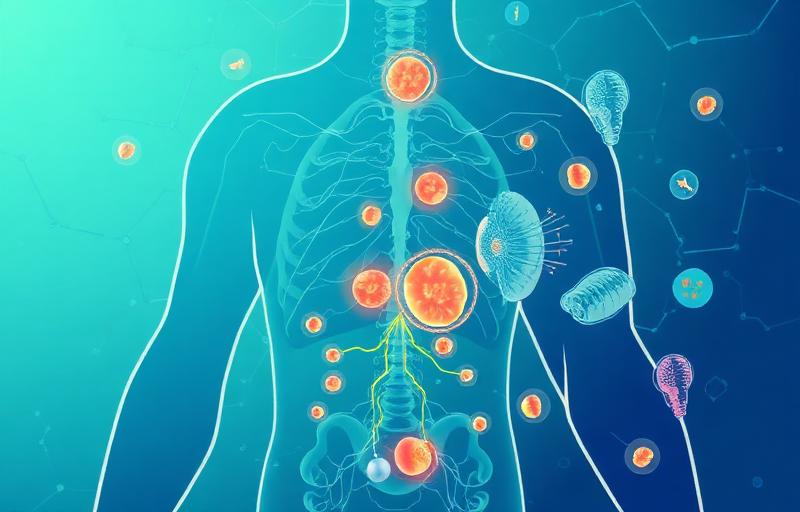
During a fast, insulin levels are low and fatty acid mobilization is high. This creates an ideal environment for fat oxidation during low-intensity exercise. Your body preferentially uses fat for fuel when insulin is low and glycogen is depleted.
However, high-intensity exercise relies primarily on glycogen (stored carbohydrates), not fat. When glycogen is depleted during fasting, high-intensity performance suffers, and the body compensates by breaking down muscle protein for fuel and releasing cortisol.
The key insight is that exercise intensity determines which fuel source your body uses. Low intensity equals more fat burning. High intensity equals more glycogen burning. Fasting enhances the fat-burning pathway but limits the glycogen pathway.
Fasted Cardio: The Evidence
Fasted cardio at low to moderate intensity does burn a higher percentage of fat compared to fed cardio. A 2016 meta-analysis in the British Journal of Nutrition confirmed that fasted aerobic exercise increases fat oxidation by approximately 20% compared to the same exercise performed after eating.
However, this does not necessarily translate to more fat loss over time. Total calorie balance over the day matters more than the fuel source used during any single workout. The practical advantage of fasted cardio is that it fits naturally into IF schedules and provides a modest fat-burning boost.
The ideal fasted cardio protocol: 20–45 minutes of walking, light cycling, or easy swimming during your fasting window. Keep your heart rate in zone 2 (60–70% of max). This intensity maximizes fat utilization without triggering excessive cortisol.
Strength Training and IF: Timing Is Everything
Resistance training is critical for preserving muscle during any calorie deficit, and IF is no exception. The challenge is timing your strength workouts to optimize both performance and recovery.
The optimal strategy for most people on 16:8: schedule your strength training session 1–2 hours before your eating window opens. If your window is noon–8pm, train at 10–11am. This gives you the benefit of elevated growth hormone from fasting during your workout, with a protein-rich meal immediately after.
If morning training is your only option and your window does not open until noon, you can still train fasted — just keep volume moderate and prioritize compound movements. Have your protein meal ready to eat as soon as your window opens.
| Training Type | Best Timing | Fasted Safe? | Notes |
|---|---|---|---|
| Walking / easy cardio | During fasting window | Yes | Enhances fat oxidation |
| Moderate lifting | 1–2 hours before eating window | Yes | Have protein ready after |
| Heavy lifting (85%+ 1RM) | Within eating window | Better fed | Glycogen improves heavy performance |
| HIIT / sprints | Within eating window | No | High cortisol when fasted |
| Yoga / stretching | Anytime | Yes | Enhances flexibility and recovery |
Pre-Workout Nutrition During IF
The best pre-workout during a fast is black coffee. Caffeine improves performance by 3–5%, reduces perceived exertion, and enhances fat oxidation — all without breaking your fast.
Avoid traditional pre-workout supplements during your fast. Most contain BCAAs, creatine with sugars, or other caloric ingredients that trigger insulin. If you need something beyond coffee, look for zero-calorie caffeine pills or unflavored creatine monohydrate (which contains zero calories and does not spike insulin).
Drink 500ml of water 30 minutes before training. Dehydration from overnight fasting can impair exercise performance by 10–20%. Adding a pinch of sea salt to your pre-workout water helps with sodium balance and muscle contraction.
Post-Workout Nutrition: The Anabolic Window
The concept of a narrow 30-minute anabolic window has been largely debunked. You do not need to eat within 30 minutes of training. However, eating a protein-rich meal within 1–2 hours of resistance training does optimize muscle protein synthesis.
Aim for 30–40 grams of protein in your post-workout meal. If your workout ends right when your eating window opens, a protein shake provides the fastest delivery. Follow it with a complete meal within 1–2 hours.
Post-workout carbohydrates are important for glycogen replenishment, especially if you train intensely. Include 30–60 grams of carbohydrates from sources like sweet potatoes, rice, oats, or fruit in your post-workout meal.
Common Fasted Training Mistakes
- Training too intensely while fasted — keep fasted workouts moderate
- Skipping post-workout protein — the most important meal of your eating window
- Ignoring hydration — dehydration impairs performance more than fasting does
- Doing HIIT while fasted — cortisol spikes counteract fat-burning benefits
- Not adjusting volume — reduce training volume by 10–20% during fasted sessions
- Ignoring recovery signs — persistent soreness or declining performance means you need more fuel
The overarching principle is simple: match your training intensity to your nutritional state. Fasted = lower intensity, higher fat burning. Fed = higher intensity, better performance.
Building a Weekly Training Schedule Around 16:8 IF
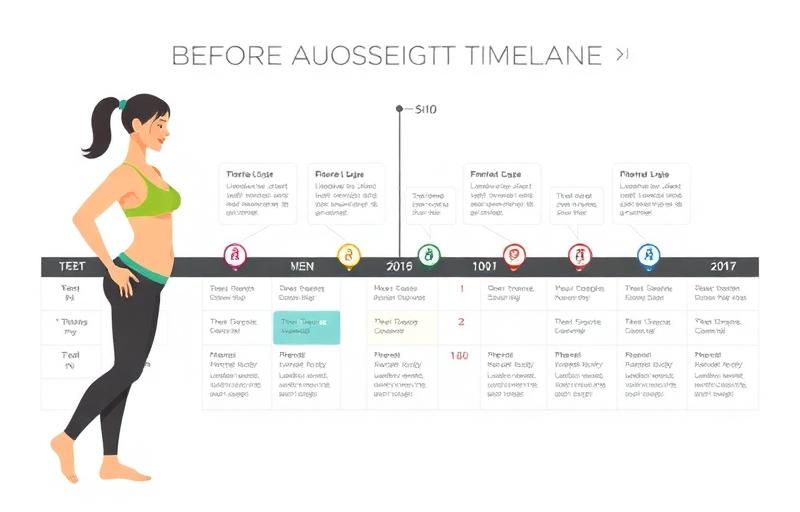
Here is a sample weekly schedule for someone fasting from 8pm to noon:
- Monday: 10am — Moderate strength training (upper body). Noon — Break fast with protein shake + full meal.
- Tuesday: 8am — 30-minute fasted walk. Noon — Break fast normally.
- Wednesday: 10am — Moderate strength training (lower body). Noon — Break fast with protein-rich meal.
- Thursday: 8am — 30-minute fasted walk or yoga. Noon — Break fast normally.
- Friday: 10am — Full body strength training. Noon — Break fast with protein shake + meal.
- Saturday: Morning — Longer fasted walk (45–60 min). Flexible eating window.
- Sunday: Rest day. Normal eating window.
This schedule provides three strength sessions and three to four light cardio sessions, all structured around the fasting and eating window for optimal results.
Periodization: Cycling Training Intensity With Fasting
Advanced IF practitioners benefit from periodizing their training intensity relative to their fasting and feeding states. This means intentionally cycling between higher-volume training weeks (where more carbohydrates and calories are consumed) and lower-volume weeks (where fasting can be extended and calories reduced).
A practical 4-week periodization model: Week 1 — moderate volume, 16:8 fasting. Week 2 — high volume, 14:10 fasting with increased carbs. Week 3 — moderate volume, 16:8 fasting. Week 4 — deload (reduced volume and intensity), optional 18:6 fasting. This cycling prevents adaptation, reduces injury risk, and keeps both training and fasting feeling productive.
The underlying principle is that your body adapts to both training and nutritional stimuli. By periodically varying both, you maintain a stimulus for continued improvement. This is why elite athletes never follow the same training program year-round — and it is equally applicable to recreational exercisers who combine training with fasting.
Recovery Optimization During IF
Recovery is where adaptation happens. Without adequate recovery, training produces diminishing returns. During IF, recovery must be even more intentional because your nutrition window is compressed.
Prioritize sleep above all else. Growth hormone release during sleep is critical for muscle repair and fat metabolism. IF already elevates growth hormone during fasting — combined with quality sleep, this creates a powerful recovery environment. Aim for 7–9 hours in a cool, dark room with consistent sleep and wake times.
Post-workout nutrition within your eating window should include 30–40 grams of protein, 30–60 grams of carbohydrates, and adequate hydration. Tart cherry juice (8 ounces) has evidence for reducing muscle soreness and inflammation. Creatine monohydrate (5g daily) supports strength recovery and is calorie-free, making it compatible with fasting windows.
Key Takeaways
- Fasted walking is the single best exercise during fasting windows
- Strength training is best performed 1–2 hours before your eating window
- Black coffee is the ideal zero-calorie pre-workout during fasts
- Post-workout protein (30–40g) within 1–2 hours optimizes recovery
- Avoid HIIT and heavy lifting during extended fasts
- Hydration before fasted training improves performance significantly
- Match exercise intensity to nutritional state: fasted = moderate, fed = intense
- Natural metabolic support supplements can enhance fasted exercise performance
Supplement Timing for Fasted Athletes
Timing supplements around fasting and training windows requires more planning than eating freely. Creatine monohydrate (5g daily) is best taken with your post-workout meal for maximum absorption alongside carbohydrates, though timing is not critical as long as you take it daily. It is calorie-free and will not break your fast, but absorption is better with food.
Caffeine is most effective 30-60 minutes before fasted training. A dose of 1.5-3mg per pound of body weight improves endurance and strength performance. For a 170-pound person, that is roughly 250-500mg — equivalent to 2-4 cups of coffee. Take it early enough to avoid sleep disruption if you train in the afternoon.
Branched-chain amino acids (BCAAs) are sometimes recommended for fasted training to prevent muscle breakdown. However, BCAAs contain calories and trigger an insulin response, technically breaking your fast. If your training is within 2-3 hours of your eating window, BCAAs are unnecessary — the post-workout meal provides all the amino acids needed for recovery. Save them only for situations where you train 4+ hours before eating.
Frequently asked questions
- Is it better to work out fasted or fed?
- It depends on the type of exercise. Low-intensity cardio (walking, easy cycling) burns more fat during fasting. High-intensity and strength training performs better in a fed state due to glycogen availability and recovery needs.
- Will fasted training cause muscle loss?
- Not if you eat adequate protein during your feeding window and keep fasted exercise moderate. Growth hormone increases during fasting actually protect muscle. However, prolonged intense fasted training without proper nutrition can lead to muscle breakdown.
- When should I work out if I do 16:8 IF?
- Ideally, schedule intense training 1–2 hours before your eating window opens so you can eat protein shortly after. Light activity like walking is ideal during the earlier fasting hours.
- Can I take pre-workout during a fast?
- Most pre-workout supplements contain calories, BCAAs, or sweeteners that may break your fast. Black coffee is the best zero-calorie pre-workout option during fasting. If you need a pre-workout, choose one with zero calories and no BCAAs.
- How much protein do I need after a fasted workout?
- Aim for 30–40 grams of protein within 1–2 hours after training. This maximizes muscle protein synthesis and recovery. A protein shake is the fastest option; a full meal with lean protein works equally well.