Intermittent Fasting
Best Intermittent Fasting Schedule for Weight Loss: Science-Backed Guide (2026)
There is no single best fasting schedule — but there is one that works best for your body, goals, and daily routine. This guide helps you find it.
Written bySarah Lee· Nutrition & Weight Loss Writer
Medically reviewed byAndrew Kakan on
Quick Answer: Which Fasting Schedule Burns the Most Fat?
The 16:8 protocol is the most studied and consistently effective intermittent fasting schedule for fat loss. A 2023 systematic review found no statistically significant difference in fat loss between 16:8, 18:6, and 20:4 when total calorie intake was controlled. The key differentiator was adherence — and 16:8 had the highest long-term compliance rate.
This guide compares every major IF protocol side by side using clinical evidence, so you can choose the schedule that fits your body, your goals, and your actual daily life.
Understanding How Fasting Windows Affect Fat Loss
Every fasting protocol works through the same basic mechanism: creating conditions that make it easier to eat fewer calories. During the fasting window, insulin levels drop, allowing your body to access stored fat for energy.
After about 12 hours of fasting, your body has depleted most of its liver glycogen stores and begins relying more heavily on fat oxidation. By 16 hours, fat burning is well established. Extending beyond this provides marginal additional benefit while significantly increasing hunger and cortisol.
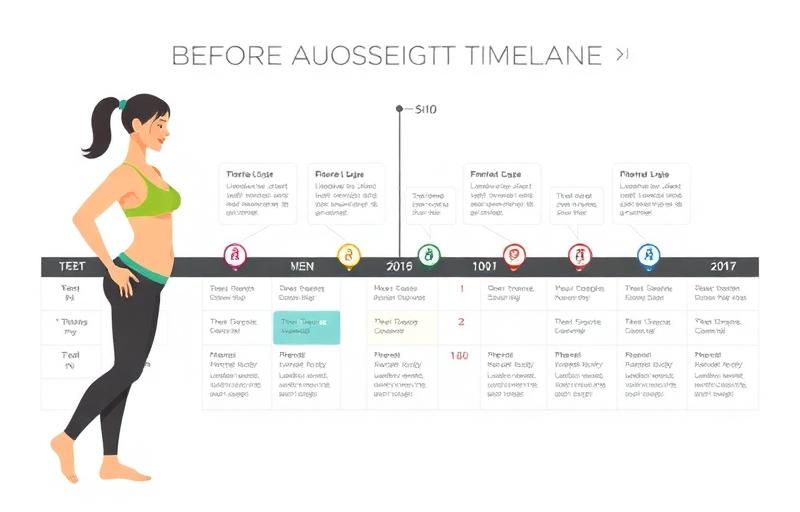
The metabolic timeline: hours 0–4 involve digestion, hours 4–8 see transition to post-absorptive state, hours 8–12 mark glycogen depletion, hours 12–16 feature increased fat oxidation and autophagy initiation. Beyond 16 hours, returns diminish for fat loss purposes.
The 16:8 Protocol: Gold Standard for Most People
The 16:8 schedule involves fasting for 16 hours and eating during an 8-hour window. It is the most popular and well-researched IF protocol for good reason — it provides meaningful metabolic benefits while remaining compatible with normal life.
For most people, this means eating from roughly noon to 8pm, or from 10am to 6pm. The specific timing matters less than consistency. Once your hunger hormones adapt (typically within 5–7 days), the fasting period becomes almost effortless.
A 2022 randomized controlled trial published in the New England Journal of Medicine compared 16:8 to standard calorie restriction over 12 months. Both groups lost similar amounts of weight, but the IF group reported higher satisfaction and found the approach easier to maintain.
The 18:6 Protocol: For Those Who Want More
The 18:6 schedule compresses eating into six hours. This provides slightly more time in the fat-burning zone and can help people who find that an 8-hour window leads to too much eating.
The main challenge with 18:6 is hitting adequate protein intake. With only six hours, you typically have two meals. Each needs 35–50 grams of protein, which requires intentional planning.
Research comparing 18:6 to 16:8 shows minimal differences in fat loss over 8–12 weeks. Where 18:6 has an advantage is for people with lower total calorie needs who struggle to maintain a deficit with an 8-hour window.
The 14:10 Protocol: Best for Beginners and Active People
A 14:10 schedule provides a gentle entry point. While it does not push as deeply into the fasting metabolic state as 16:8, it still provides meaningful benefits: improved insulin sensitivity, reduced late-night snacking, and automatic calorie reduction.
For active people who train twice daily, 14:10 often provides enough fasting benefit without compromising performance. A 2021 study found that athletes on 14:10 maintained performance while improving body composition.
OMAD (One Meal a Day): Advanced and Risky
OMAD involves eating your entire daily intake in a single meal. While some people thrive on it, research suggests meaningful risks that make it inappropriate as a general recommendation.
Consuming 1,800–2,500 calories in a single sitting makes it nearly impossible to hit micronutrient targets. Additionally, a single large meal causes greater insulin spikes than the same calories spread across two or three meals.
A 2022 study in the Journal of the American Heart Association found that people who ate only one meal per day had a 30% higher risk of all-cause mortality compared to those who ate two or three meals.
Alternate Day Fasting: The Research Darling
Alternate day fasting involves eating normally one day and either fasting or eating 500 calories the next. It is one of the most studied IF protocols with consistent results for fat loss.
The challenge with ADF is real-world adherence. Clinical trials can maintain compliance through regular check-ins, but free-living individuals often struggle. If daily IF has stalled, ADF may be worth experimenting with for 4–6 weeks.
Early vs. Late Eating Windows: Does Timing Matter?
Emerging research suggests that earlier eating windows (such as 8am–4pm) may offer modest metabolic advantages. This aligns with circadian biology — your body processes food more efficiently in the morning when insulin sensitivity is higher.
A 2019 study published in Cell Metabolism found that early time-restricted eating improved insulin sensitivity, blood pressure, and oxidative stress markers compared to late eating, even without calorie restriction.
The takeaway is nuanced. If you can eat earlier, it may provide a slight edge. But if early eating means skipping family dinners or social isolation, the stress and compliance costs likely outweigh the metabolic benefits.
How to Choose Your Ideal Fasting Schedule
| Factor | Recommended Protocol | Why |
|---|---|---|
| Complete beginner | 14:10 → 16:8 | Gradual adaptation prevents quitting |
| Office worker (9–5) | 16:8 (noon–8pm) | Aligns with lunch and dinner |
| Early riser (5am) | 16:8 (8am–4pm) | Matches circadian rhythm |
| Athlete / very active | 14:10 or 16:8 | Preserves training performance |
| Weight loss plateau | 18:6 for 4–6 weeks | Additional restriction may break stall |
| Low calorie needs | 18:6 | Smaller window limits overconsumption |
Matching Your Window to Your Workout Schedule
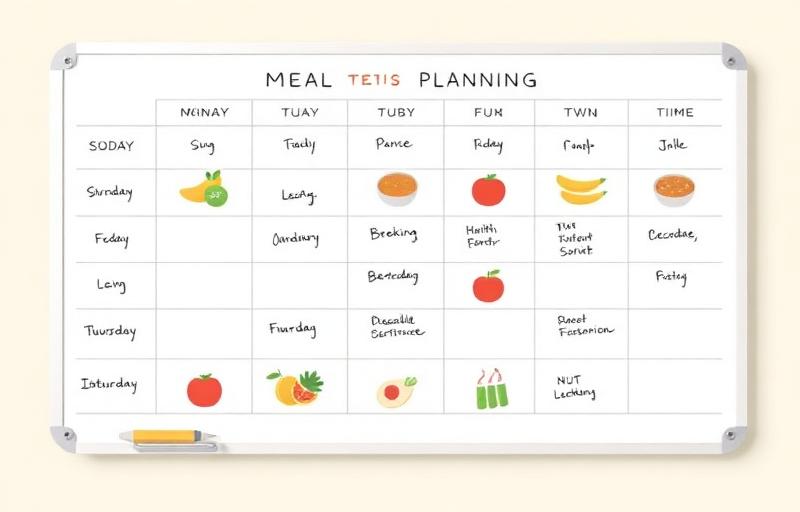
If you strength train, aim to schedule your workout within 2–3 hours of your eating window opening. This allows you to eat a protein-rich meal shortly after training, maximizing muscle protein synthesis.
For cardio-focused training, fasted exercise can be advantageous. Low-intensity fasted cardio preferentially burns fat. However, HIIT while fasted can spike cortisol and impair recovery. Match intensity to your fed state.
The Chronobiology Factor: Your Body Clock and Fasting
Your body runs on a 24-hour circadian clock that influences hormone secretion, metabolic rate, and nutrient processing throughout the day. Insulin sensitivity peaks in the morning and declines through the evening. Cortisol follows a natural rhythm — highest upon waking, lowest at bedtime. Aligning your eating window with these rhythms can enhance the metabolic benefits of fasting.
A landmark 2019 study in Cell Metabolism compared early time-restricted eating (8am–2pm) with late eating (noon–8pm). The early eating group showed significantly better insulin sensitivity, lower blood pressure, and reduced oxidative stress — even though both groups ate the same calories. The researchers concluded that eating in alignment with circadian biology amplifies the metabolic benefits of time restriction.
However, circadian alignment must be balanced against real-world constraints. If an early window means missing dinner with your family every night, the psychological cost may outweigh the modest metabolic advantage. The research suggests a 2–3 hour metabolic benefit from early eating, not a dramatic difference. Choose the window that you can maintain consistently while leaning toward earlier eating when practical.
Social and Psychological Considerations When Choosing Your Schedule
The most overlooked factor in schedule selection is social compatibility. Food is central to human connection — shared meals strengthen relationships, provide emotional comfort, and create daily rituals. Any fasting schedule that consistently isolates you from these experiences will eventually fail, regardless of its metabolic superiority.
Map your weekly social obligations before choosing your window. Family dinners, work lunches, date nights, and weekend brunches all factor in. The ideal schedule preserves your most important food-related social interactions while creating enough fasting time to achieve your health goals.
Flexibility within structure is key. Maintaining your schedule 5–6 days per week while allowing 1–2 days of modified timing preserves the metabolic benefits while preventing the social isolation that makes rigid protocols unsustainable. Remember: the perfect schedule you abandon in month two is infinitely worse than the good schedule you follow for years.
Key Takeaways
- 16:8 is the most effective balance of results and sustainability
- More aggressive protocols do not consistently produce better fat loss
- Match your eating window to workouts, social obligations, and natural hunger patterns
- Earlier eating windows may offer slight metabolic benefits but are not mandatory
- Give any new schedule 3 weeks minimum before evaluating results
- Consistency across 7 days matters more than the specific protocol chosen
- Natural metabolic support supplements can complement any fasting schedule
Real-World Schedule Examples From Different Lifestyles
Understanding how different people implement IF in their actual lives is more useful than theoretical schedules. A 9-to-5 office worker might fast from 8pm to noon, eating lunch at the office cafeteria and dinner with family. A nurse working 12-hour shifts might use a flexible 14:10 approach, eating during her shift and fasting overnight. A stay-at-home parent might eat from 10am to 6pm, aligning with children's lunch and early dinner.
A college student with irregular class schedules might benefit from the 5:2 approach — eating normally most days and reducing intake to 500 calories on two non-consecutive days. This provides IF benefits without requiring a daily schedule that clashes with late-night studying, social eating, and variable class times.
Shift workers face unique challenges because their circadian rhythms are already disrupted. For these individuals, a consistent eating window relative to their work schedule (regardless of clock time) is more important than matching traditional meal times. The window should remain stable within each shift rotation, even if it moves when shifts change.
Remote workers often find IF easiest because they control their environment completely. Without office donuts, vending machines, and social lunch pressures, maintaining a fasting window becomes almost effortless. The flip side is that the kitchen is always accessible — keeping trigger foods out of the house becomes especially important for remote workers practicing IF.
Frequently asked questions
- What is the most effective intermittent fasting schedule?
- For most people, 16:8 provides the best balance of effectiveness and sustainability. Research shows it produces comparable fat loss to more aggressive protocols while being significantly easier to maintain long-term.
- Is 18:6 better than 16:8 for weight loss?
- Not necessarily. An 18:6 schedule may produce slightly faster initial results, but adherence rates drop significantly. The schedule you can follow consistently for months will always outperform one you abandon after two weeks.
- When should I eat during intermittent fasting?
- Align your eating window with your largest social meal and your workout timing. Most people do best with a window that ends 2–3 hours before bed.
- Can I change my fasting schedule on weekends?
- Minor adjustments of 1–2 hours are fine. Larger shifts disrupt ghrelin adaptation and make Monday fasting harder. Aim for at least a 14-hour overnight fast even on relaxed days.
- How long should I try a fasting schedule before changing it?
- Give any new schedule at least 3 weeks before evaluating results. Hunger hormone adaptation takes 7–10 days, and fat loss trends need 2–3 weeks to become apparent.